Mossy Wetlands
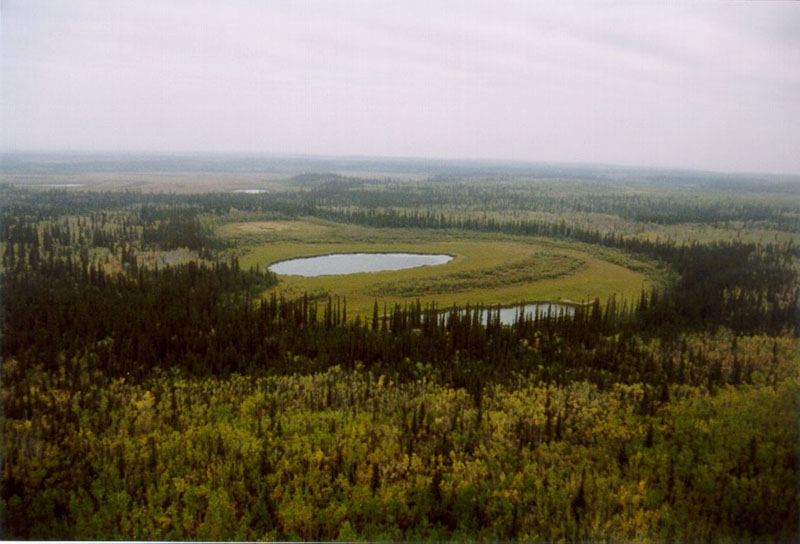
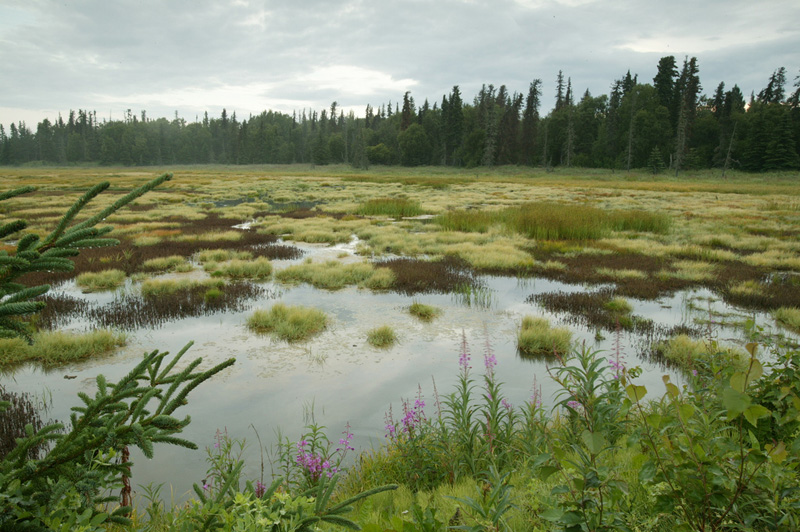
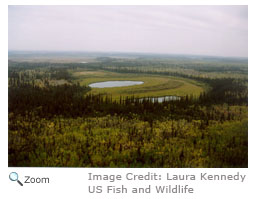 Bogs are mossy wetlands. Almost all of their water comes from rain and snow. Water in bogs is low in oxygen, very acidic, and often cold! Sphagnum, or peat moss, is common in bogs. This moss has large cells with openings that absorb a lot of water. This makes bogs very spongy. In the southeastern United States, the pocosin is an evergreen shrub bog. Bogs are mossy wetlands. Almost all of their water comes from rain and snow. Water in bogs is low in oxygen, very acidic, and often cold! Sphagnum, or peat moss, is common in bogs. This moss has large cells with openings that absorb a lot of water. This makes bogs very spongy. In the southeastern United States, the pocosin is an evergreen shrub bog.
Low Oxygen
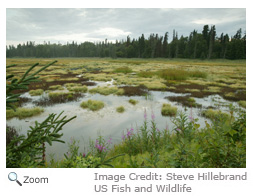 Bogs have low levels of oxygen because water doesn't flow in and out of them easily. Low levels of oxygen and cold temperatures make it more difficult for fungi and bacteria to decompose dead plants quickly. This helps peat form. Bogs have low levels of oxygen because water doesn't flow in and out of them easily. Low levels of oxygen and cold temperatures make it more difficult for fungi and bacteria to decompose dead plants quickly. This helps peat form.
Adapted for Acidic Soil
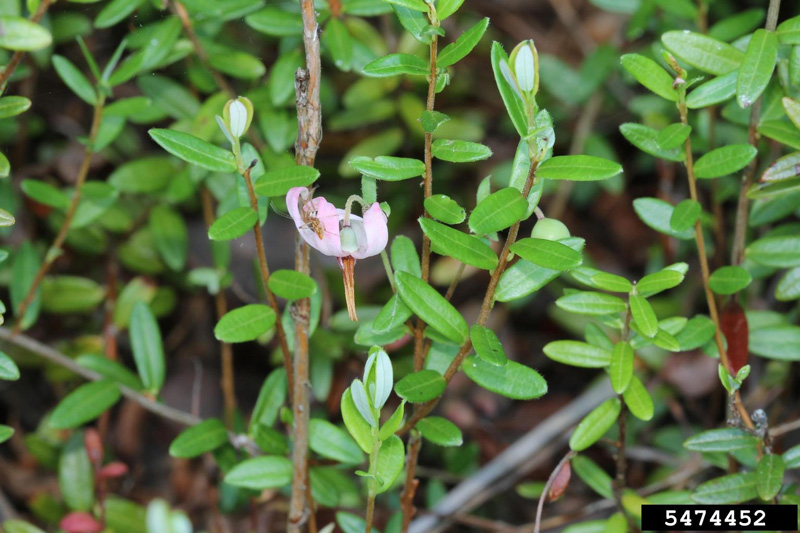
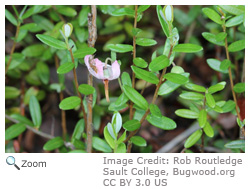 Because decomposition happens so slowly, the soil and water in bogs are very acidic. Moss and some evergreen trees and shrubs thrive in bogs because they can tolerate the acidic soil conditions. Orchids, water lilies, pickerel weed, cranberries, and blueberries also grow in bogs. Because decomposition happens so slowly, the soil and water in bogs are very acidic. Moss and some evergreen trees and shrubs thrive in bogs because they can tolerate the acidic soil conditions. Orchids, water lilies, pickerel weed, cranberries, and blueberries also grow in bogs.
|
|
Insect-eating Plants Ahead!
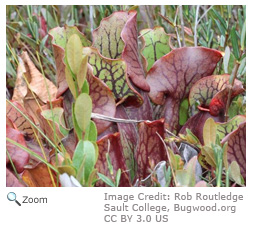 Insect-eating plants like pitcher plants and sundew often are found in bogs. They get a lot of the nutrients they need to survive from the insects they eat, so they can thrive in a bog's nutrient-poor soil. Turtles, frogs, insects, and insect-eating birds are also common in bogs. There aren't many fish in bogs because of the low levels of oxygen in the water. Insect-eating plants like pitcher plants and sundew often are found in bogs. They get a lot of the nutrients they need to survive from the insects they eat, so they can thrive in a bog's nutrient-poor soil. Turtles, frogs, insects, and insect-eating birds are also common in bogs. There aren't many fish in bogs because of the low levels of oxygen in the water.
Animal Life in a Bog
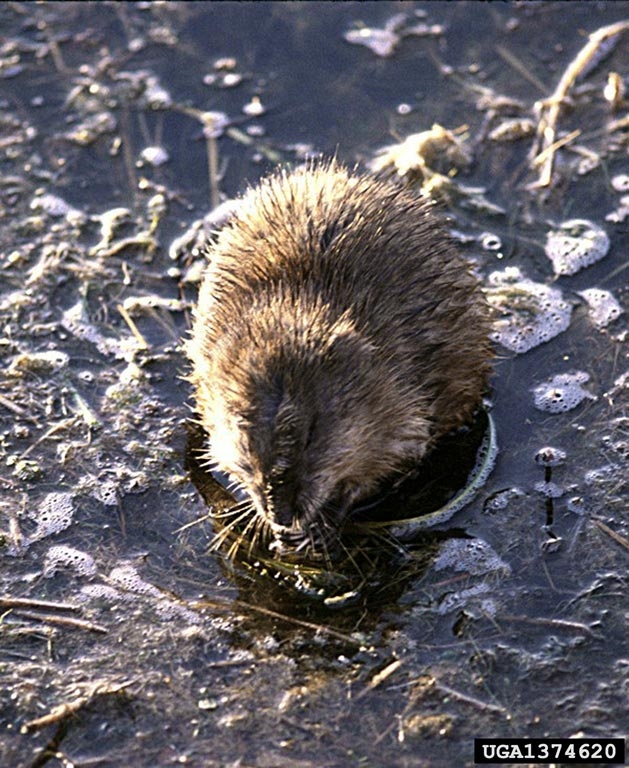
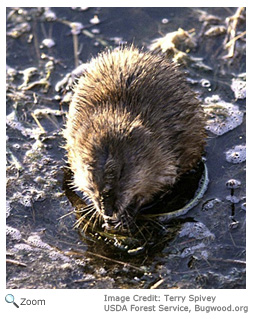 Mammals like the snowshoe hare, moose, beaver, and muskrats are also found in and around bogs. And on a gruesome note: Preserved bodies are sometimes found in bogs! Because decomposition happens so slowly, anything that falls into a bog, including animals and people, can be preserved for long periods of time! Mammals like the snowshoe hare, moose, beaver, and muskrats are also found in and around bogs. And on a gruesome note: Preserved bodies are sometimes found in bogs! Because decomposition happens so slowly, anything that falls into a bog, including animals and people, can be preserved for long periods of time!
|