Caudata -
Salamanders,
Newts, Mudpuppies
|
|
|
|
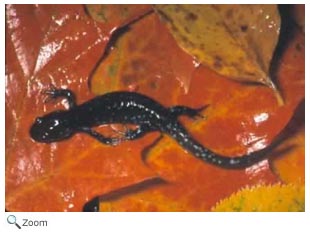 There are around 400 species in this order. They are found in North America, northern South America, Eurasia, and northern Africa. They are found in a variety of wet or moist habitats including swamps, streams, lakes, ponds, marshes, forests, and caves. The word caudata comes from cauda, the Latin word for tail. Unlike frogs and toads, the species in this order of amphibians have tails. In most species, the tail is as long as or longer than the body. Species in this order do not leap or hop; they walk or swim. Most adults in this order live on land, but some species spend all of their time in the water and have external gills and front legs but very small, or even no, back legs. Most species in this order lay eggs in the water or in a moist place. The young live in the water and have external gills. There are around 400 species in this order. They are found in North America, northern South America, Eurasia, and northern Africa. They are found in a variety of wet or moist habitats including swamps, streams, lakes, ponds, marshes, forests, and caves. The word caudata comes from cauda, the Latin word for tail. Unlike frogs and toads, the species in this order of amphibians have tails. In most species, the tail is as long as or longer than the body. Species in this order do not leap or hop; they walk or swim. Most adults in this order live on land, but some species spend all of their time in the water and have external gills and front legs but very small, or even no, back legs. Most species in this order lay eggs in the water or in a moist place. The young live in the water and have external gills.
|


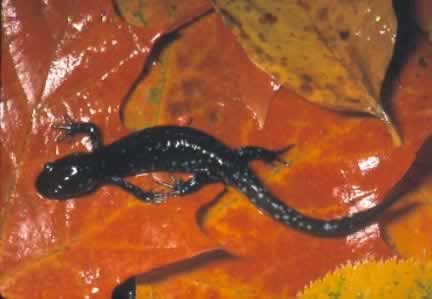 There are around 400 species in this order. They are found in North America, northern South America, Eurasia, and northern Africa. They are found in a variety of wet or moist habitats including swamps, streams, lakes, ponds, marshes, forests, and caves. The word caudata comes from cauda, the Latin word for tail. Unlike frogs and toads, the species in this order of amphibians have tails. In most species, the tail is as long as or longer than the body. Species in this order do not leap or hop; they walk or swim. Most adults in this order live on land, but some species spend all of their time in the water and have external gills and front legs but very small, or even no, back legs. Most species in this order lay eggs in the water or in a moist place. The young live in the water and have external gills.