Description
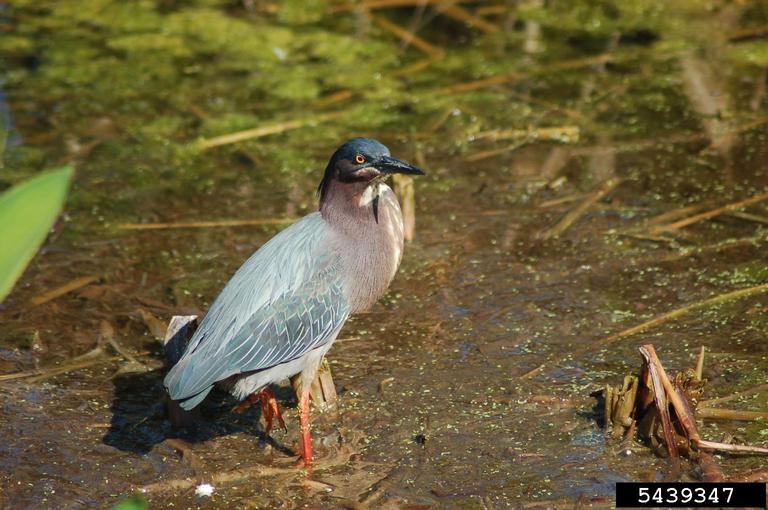
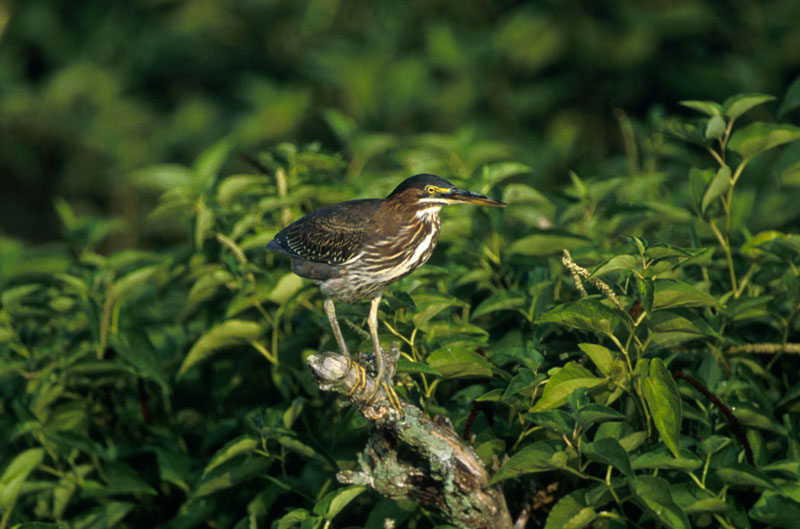
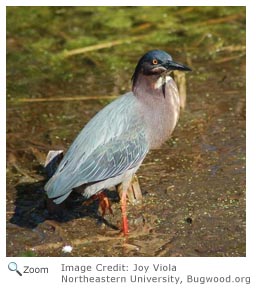 The green heron is sometimes called the green-backed heron. It is a small heron that is about the size of a large crow. It is a foot and a half to two feet in length. The green heron is sometimes called the green-backed heron. It is a small heron that is about the size of a large crow. It is a foot and a half to two feet in length.
The green heron has a dark head with a small black crest. Its back and wings are dark gray-green to dark gray-blue. Its neck is rust colored. It has a dark bill and its legs are orange or yellow.
Range 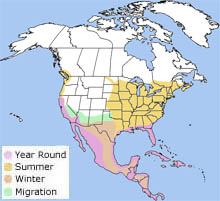 The green heron breeds in most of the eastern United States from the Canadian border south to the Gulf of Mexico and west to the Great Plains. On the Pacific coast, it breeds from British Columbia south to California and Arizona. It winters in coastal California, southern Arizona and Texas, along the Gulf coast, and along the Atlantic coast north to South Carolina. The green heron breeds in most of the eastern United States from the Canadian border south to the Gulf of Mexico and west to the Great Plains. On the Pacific coast, it breeds from British Columbia south to California and Arizona. It winters in coastal California, southern Arizona and Texas, along the Gulf coast, and along the Atlantic coast north to South Carolina.
HabitatThe green heron lives in freshwater or brackish water marshes with clumps of trees. |
|
Diet
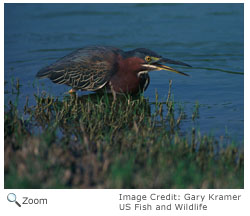 The green heron feeds at the edge of the water. It eats mostly small fish, but it also eats crustaceans, mollusks, insects, reptiles, amphibians, spiders, and leeches. The green heron feeds at the edge of the water. It eats mostly small fish, but it also eats crustaceans, mollusks, insects, reptiles, amphibians, spiders, and leeches.
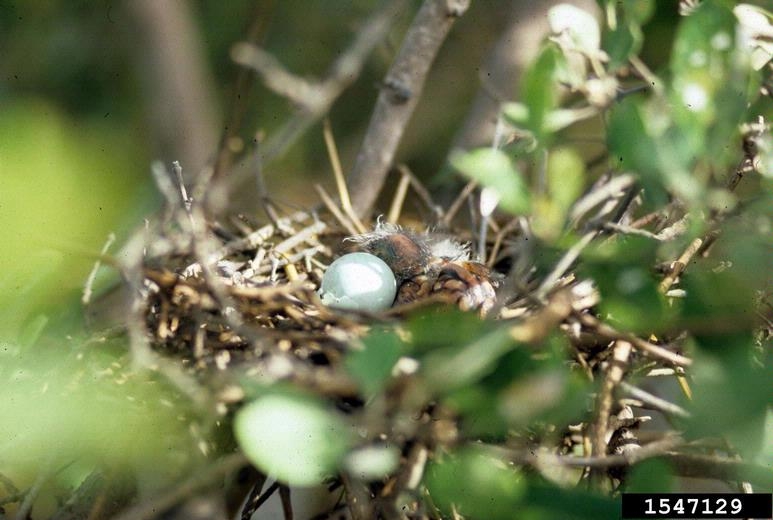
Life Cycle 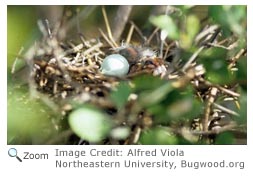 The female green heron lays three to six eggs in a nest made of sticks. Both the female and male make the nest. The male gathers the materials and the female constructs the nest. The female green heron lays three to six eggs in a nest made of sticks. Both the female and male make the nest. The male gathers the materials and the female constructs the nest.
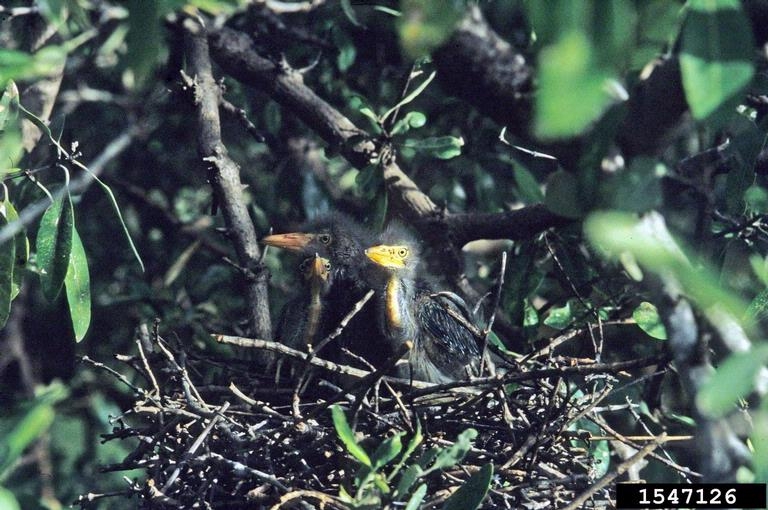
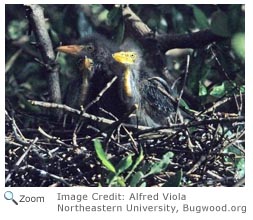 The nest is built in a tree, in a dense thicket, or occasionally, in the reeds or cattails in a marsh or in an orchard. The eggs take about three weeks to hatch and both parents incubate the eggs. The chicks are fed regurgitated food by both parents. When a parent comes to the nest, the chicks grab its bill to stimulate regurgitation. The chicks fledge in about three weeks but are hopping around the nest and snapping at insects when they are two weeks old. The nest is built in a tree, in a dense thicket, or occasionally, in the reeds or cattails in a marsh or in an orchard. The eggs take about three weeks to hatch and both parents incubate the eggs. The chicks are fed regurgitated food by both parents. When a parent comes to the nest, the chicks grab its bill to stimulate regurgitation. The chicks fledge in about three weeks but are hopping around the nest and snapping at insects when they are two weeks old.
Behavior 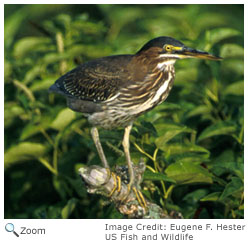 The male green heron chooses a nesting site before selecting a mate. He defends his nesting territory both before and after mating and mates with only one female a season. He attracts a mate with visual displays and with his nesting site. The male green heron chooses a nesting site before selecting a mate. He defends his nesting territory both before and after mating and mates with only one female a season. He attracts a mate with visual displays and with his nesting site. |