Meat and Vegetables
Some animals eat both plants and animals. They are omnivores.
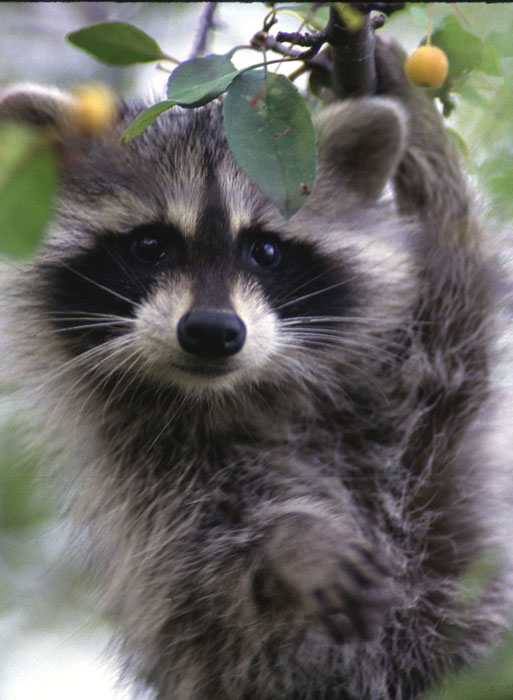
Omnivores include mammals like the brown bear, skunk, and raccoon and birds like the crow, the blue jay, and the woodpecker.
What's for Dinner?
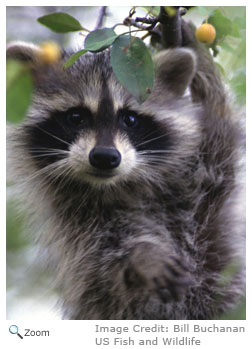 Because they eat plants and animals, omnivores thrive in many environments. Some omnivores, like the raccoon, the opossum, and the seagull, have no problem adapting to living near humans. They often dig through garbage cans, dumpsters, and gardens to find food. Because they eat plants and animals, omnivores thrive in many environments. Some omnivores, like the raccoon, the opossum, and the seagull, have no problem adapting to living near humans. They often dig through garbage cans, dumpsters, and gardens to find food.
Sink Your Teeth Into This
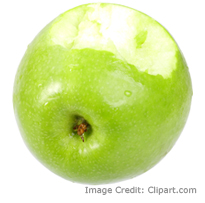 What did you have to eat today? If you are like most humans, you probably had meat and plants! Humans are omnivores too! Our teeth are designed to eat both meat and plants. Our front teeth help us rip into meat and bite into fruits and vegetables. Our molars help us grind up meat and chew fruits and vegetables. Many omnivorous animals also have teeth that help them eat both plants and animals. What did you have to eat today? If you are like most humans, you probably had meat and plants! Humans are omnivores too! Our teeth are designed to eat both meat and plants. Our front teeth help us rip into meat and bite into fruits and vegetables. Our molars help us grind up meat and chew fruits and vegetables. Many omnivorous animals also have teeth that help them eat both plants and animals.
|
|
The Bear Facts
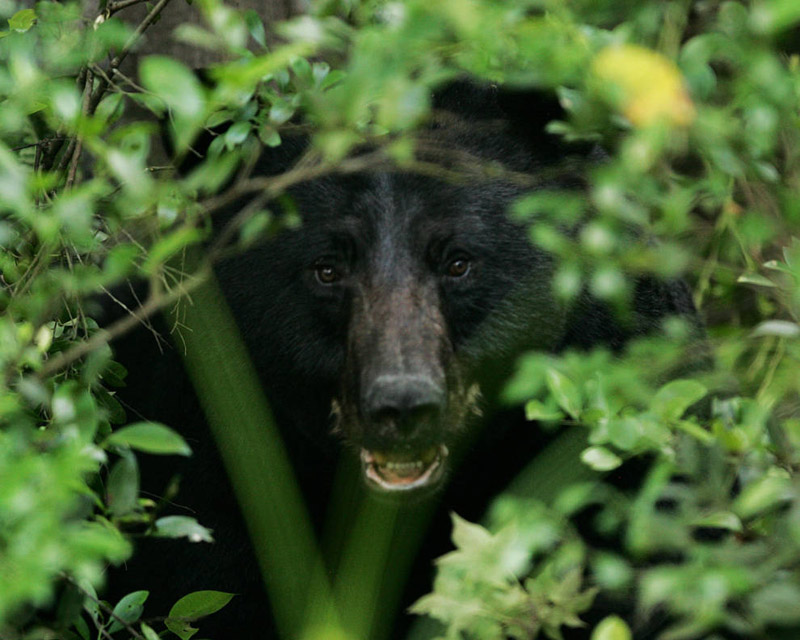
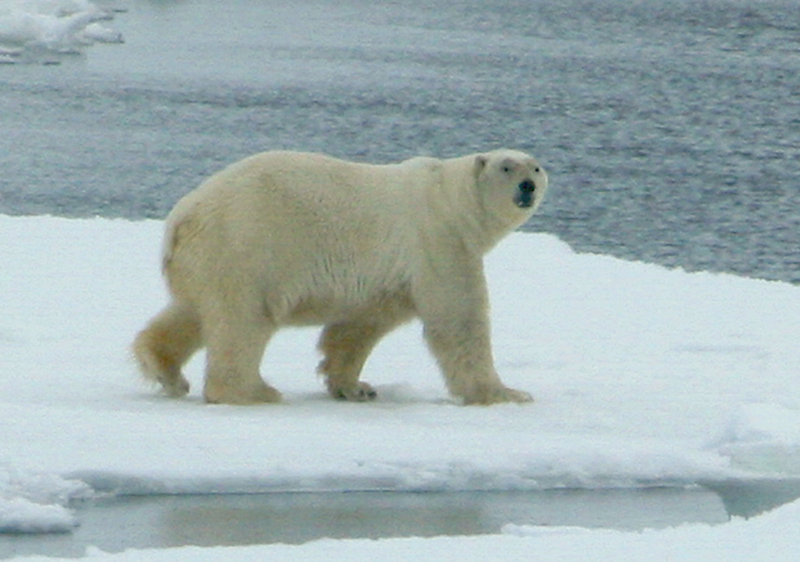
Black bears, polar bears, and brown bears are members of the carnivora order, but they are omnivores.
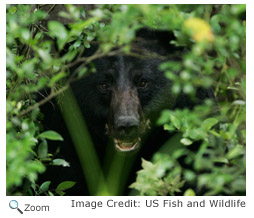 Most of the black bear's diet consists of plants. In the summer months it eats grasses, herbs, sedges, fruits, berries, and nuts. It also eats insects. Black bears don't hunt for meat, but if they happen to come across carrion (a dead animal) they will eat it. Most of the black bear's diet consists of plants. In the summer months it eats grasses, herbs, sedges, fruits, berries, and nuts. It also eats insects. Black bears don't hunt for meat, but if they happen to come across carrion (a dead animal) they will eat it.
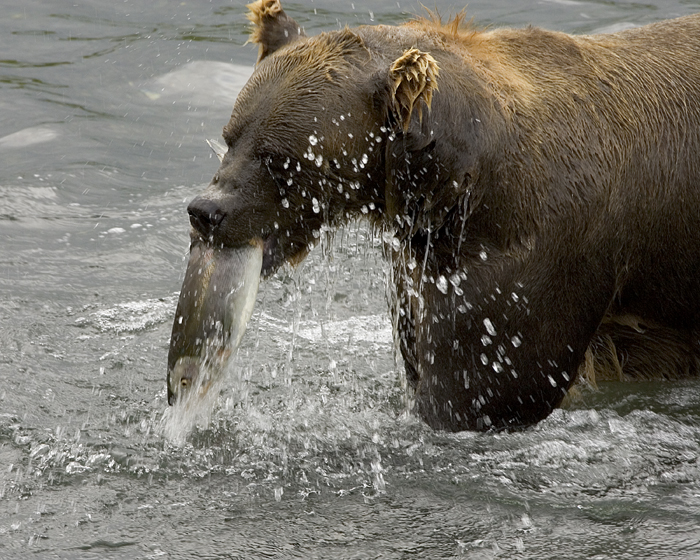
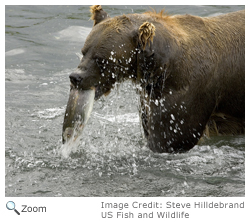 The brown bear eats berries, roots, fungi, grasses, fish, carrion, small mammals, and insects. Unlike the black bear, the brown bear is a hunter. It is very good at catching fish and often uses its long claws to dig insects out of rotting logs and small mammals out of their burrows. Some brown bears in the Canadian Rockies hunt larger animals like moose, elk, and goats. The brown bear eats berries, roots, fungi, grasses, fish, carrion, small mammals, and insects. Unlike the black bear, the brown bear is a hunter. It is very good at catching fish and often uses its long claws to dig insects out of rotting logs and small mammals out of their burrows. Some brown bears in the Canadian Rockies hunt larger animals like moose, elk, and goats.
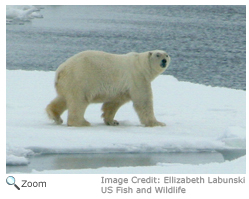 The primary food source for the polar bear is seals. It also eats fish, seabirds, and sometimes, caribou. In the summer, it also eats berries and other plant parts. The primary food source for the polar bear is seals. It also eats fish, seabirds, and sometimes, caribou. In the summer, it also eats berries and other plant parts.
|